
About Us
Over the past fifty years, Tulane University’s Celia Scott Weatherhead School of Public Health and Tropical Medicine (WSPHSPHTM), has earned a world-class reputation for its leadership role in capacity building, sustainability, and resiliency and its capabilities to lead high-quality research. Faculty have worked across different regions of the world providing a wide range of expertise critical to the evaluation of complex global challenges related to food, health, and nutrition that impact populations living in low- and middle-income countries (LMICs). Faculty maintain advanced quantitative and qualitative analytic capabilities for program design and evaluation, policy development, and operational improvements. The WSPHSPHTM has established long and deep partnerships with research institutions in countries where it works, with a strong focus on capacity strengthening, and has international offices in countries in Africa.
The WSPH Department of International Health and Sustainable Development focuses on education and research to strengthen the capacity of institutions and communities and improve the health and well-being of vulnerable populations around the world. The Department has a unique history of working across multiple sectors towards the achievement of sustainable development and resilience goals targeting populations living in poverty, with food insecurity, and fragile contexts. Using a breadth of quantitative and qualitative methods, faculty from diverse fields including nutrition, food systems, population displacement, geospatial analytics, emergency preparedness, social protection, econometrics/health economics, and anthropology lead impact, performance, and formative evaluations of resilience, food security and nutrition activities. Evaluations are designed to inform program design; assess the quality, effectiveness, efficiency, and impact of interventions; and identify evidence-based, actionable recommendations essential for improving ongoing and future humanitarian assistance and sustainable development in countries facing food deficits. This includes fragile settings experiencing conflict and other covariate shocks, such as Honduras, Syria, Haiti, South Sudan, Jordan, the Democratic Republic of the Congo, Mali, and Niger, among others.
A key aspect of Tulane’s approach to achieving sustainability and resiliency in settings experiencing food insecurity is to work closely with governments, non-government organizations, private sector institutions, and communities to identify and implement innovative solutions involving community and institutional capacity-building strategies. Tulane embraces the Paris Declaration on Aid Effectiveness principles to ensure that programs align with the country’s priorities and are locally owned, harmonized with existing efforts, and managed for measurable results. Tulane has a demonstrated capacity to use research results to inform program design and implementation, including those related to disaster preparedness and response strategies, that coincide with national mandates, are contextually appropriate, and are effective in improving the well-being of vulnerable populations.
ADD LINKS TO ESTABLISHED PARTNERS (eg. IFOS, etc.)
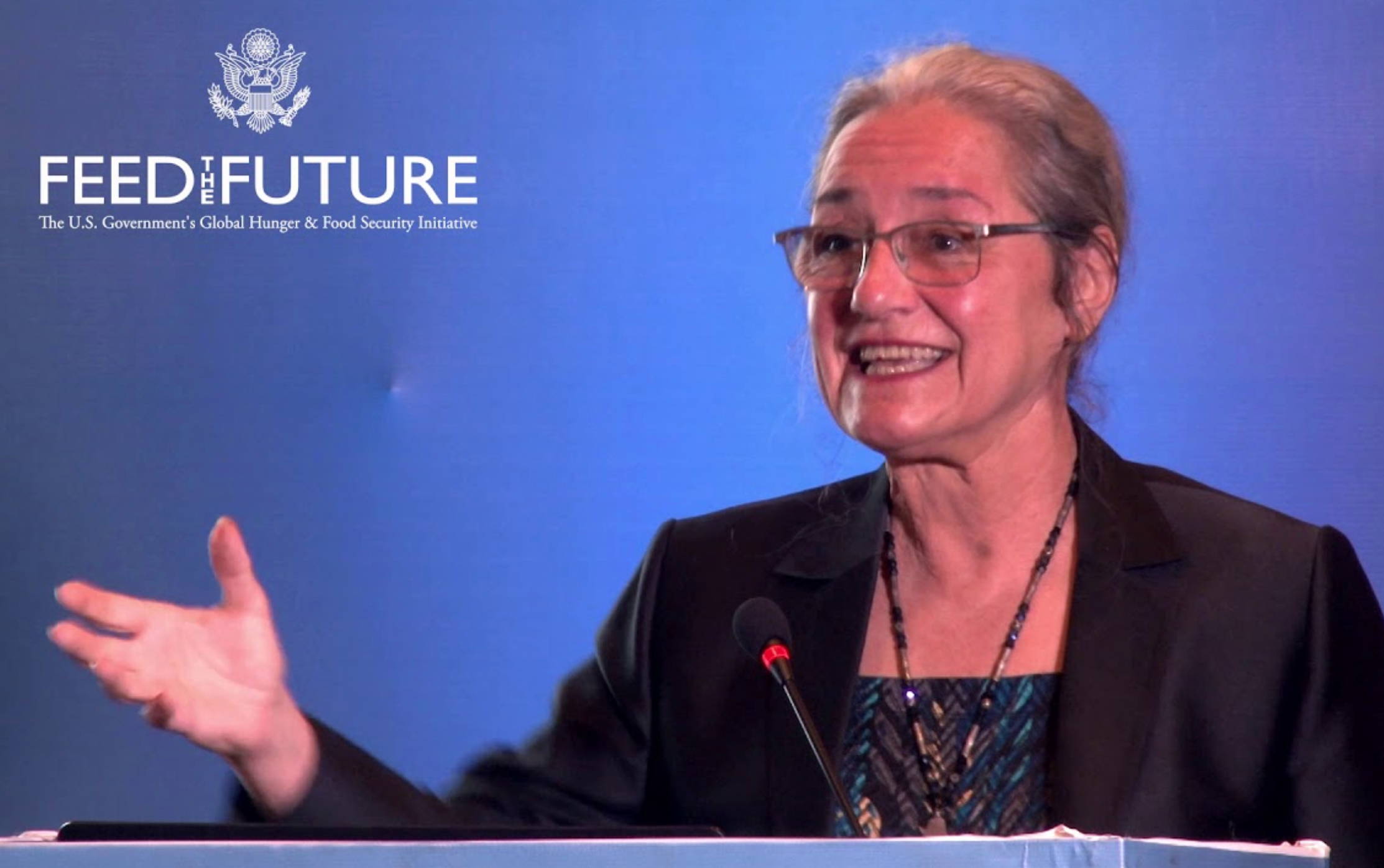
Nancy Mock, DrPH is an international development professional with nearly 40 years of professional experience in more than 30 countries. She has established a number of programs within and outside Tulane University in the areas of disaster resilience leadership studies, food security/nutrition, international health, and post Katrina recovery. She led the Newcomb College Center for Research on Women from 2007-2010. More recently, Dr. Mock co-founded and served as inaugural co-director of the Disaster Resilience Leadership Academy initially established in Tulane University’s School of Law. She is a member of the Interagency Technical Working Group on Resilience measurement. She designed and/or mentored major innovative initiatives in early warning, monitoring and evaluation including the Famine Early Warning System (now FEWSNET) and the Standardized Monitoring and Assessment of Relief and Transitions (SMART). She also developed numerous higher education partnership models and networks in service of development objectives. She serves as a senior consultant for the World Food Program, the Food and Agriculture Organization, the Centers for Disease Control, the US Agency for International Development, the Asian Development Bank and numerous non-governmental organizations. Dr. Mock is trained in nutritional epidemiology and international public health. She received a BS in Biology from Yale University and a doctorate in public health from Tulane University. Her current research interests are in the area of disaster resilience, food security and nutrition in humanitarian contexts, linkages between relief and development interventions and information systems.

Nathan Morrow, PhD is an Associate Professor in IHSD and has taught a summer institute on Food Security and Resilience in Italy for 15-years. His research leverages geospatial tools for open and citizen science to investigate policy relevant action for environmental justice, human and planetary wellbeing, and food system resilience. He is currently leading NASA-funded open science capacity development to advance environmental justice in the Gulf South. Dr. Morrow regularly partners with international organizations to support research, learning, policy, procedure and capacity development include WFP, FAO, UNDP, GEF/World Bank, IGAD, World Vision, CARE, CRS and various international cooperation efforts. He has served as Chief of Party for international NGO developmental-relief programming valued over 400 million USD. As co-chair of the Emergency and Disaster Evaluation thematic group at the American Evaluation Association, Dr. Morrow has promoted inclusive engagement and more rigorous measurement models in resilience research and intervention planning. The most recent Global Environment Facility (GEF-7) replenishment strategy was informed, in part, by a geospatial analysis of armed conflict and environmental security led by Dr. Morrow. He was invited to conduct the first-ever technical review of an SDG target indicator; 2.1.2 — ‘Prevalence of severe or moderate food insecurity’.
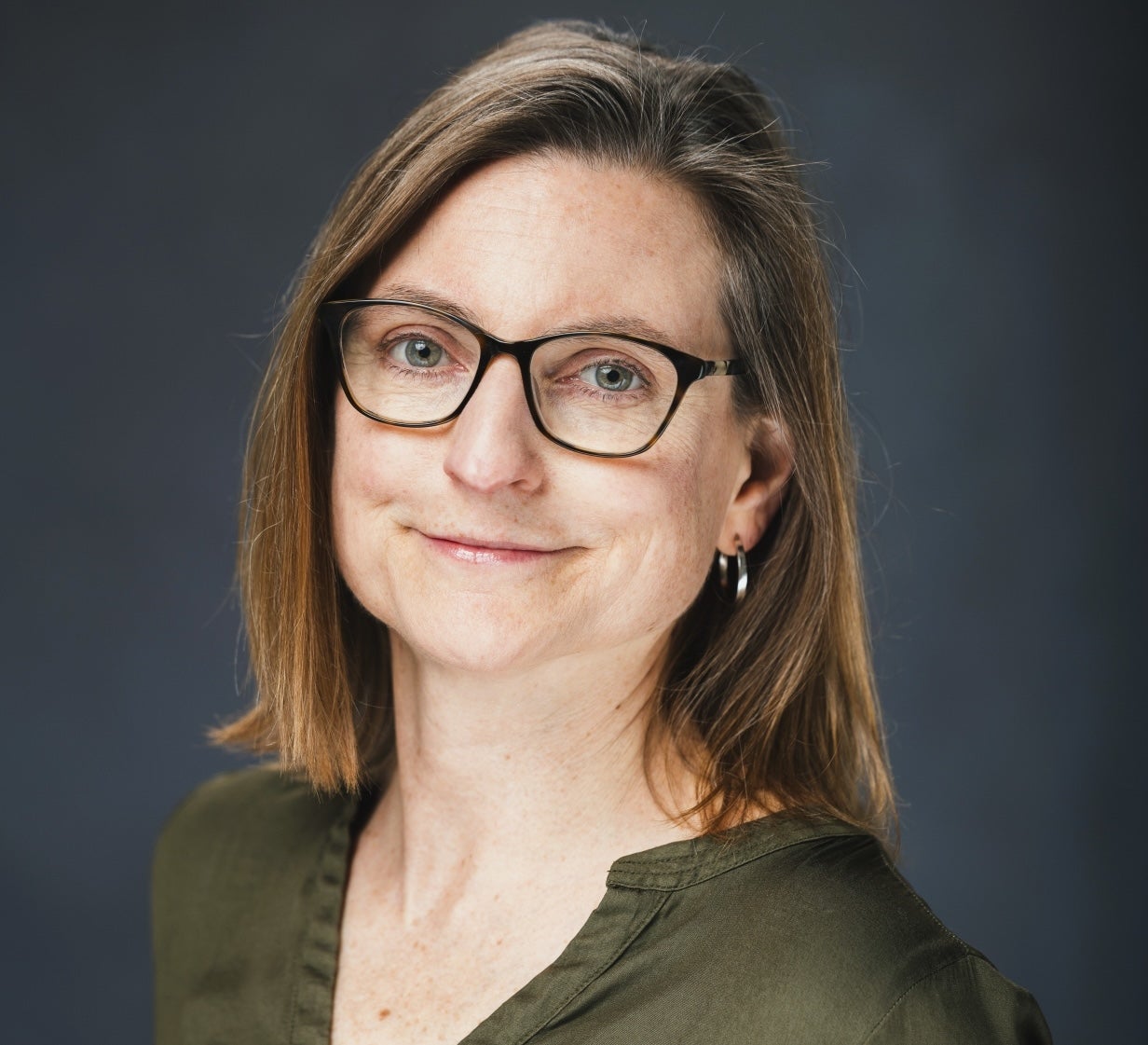
Michelle Lacy, PhD, is an Associate Professor in the Department of Mathematics at Tulane University’s School of Science and Engineering. Her research lies at the intersection of statistical methodology and applied mathematics, with a particular focus on the design and analysis of experiments, Bayesian modeling, and probabilistic methods in complex systems. Dr. Lacy has contributed to interdisciplinary collaborations across the physical sciences, engineering, and public health, applying rigorous quantitative techniques to solve real-world problems. Her teaching emphasizes theoretical foundations as well as computational applications, preparing students to approach scientific inquiry through a mathematically rigorous lens.

Shalean Collins is an applied nutritionist and dietitian who uses mixed methods to evaluate the consequences of resource insecurity for vulnerable populations. Her research integrates training in clinical nutrition and public health and uses a biocultural approach to study the interactions between social, behavioral, physiological, and environmental determinants of health. She has been working in food security, water security, and nutrition research for over a decade and has shaped the evidence on water insecurity in the first 1,000 days (i.e., pregnancy to two years postpartum), HIV and infant growth, and the consequences of food insecurity for the maternal-child dyad. She was instrumental in developing the first water insecurity scale (WISE) and the water insecurity Coping Strategies Index, and has experience working in over 20 countries. Shalean has been a consultant for TANGO International, The Louisiana Hospital Association, World Vision, Mercy Corps, World Food Programme, and Innovations for Poverty Action. She received her PhD and MPH from Tulane School of Public Health and Tropical Medicine.

Lauren Blum, PhD, MPH
Lauren Blum is a nutritional anthropologist with a research focus on maternal, adolescent, and child nutrition in food-insecure environments. She has over 30 years of experience leading research that examines how the intersection of biology, culture, and ecology affects the behavior of vulnerable populations living in resource-poor settings in Africa and South Asia. Her work has involved designing innovative, conceptually robust research protocols using traditional qualitative methods and participatory research assessment approaches. She has extensive experience utilizing research to inform programming designed to strengthen food security, livelihoods, and resilience in humanitarian and development settings.
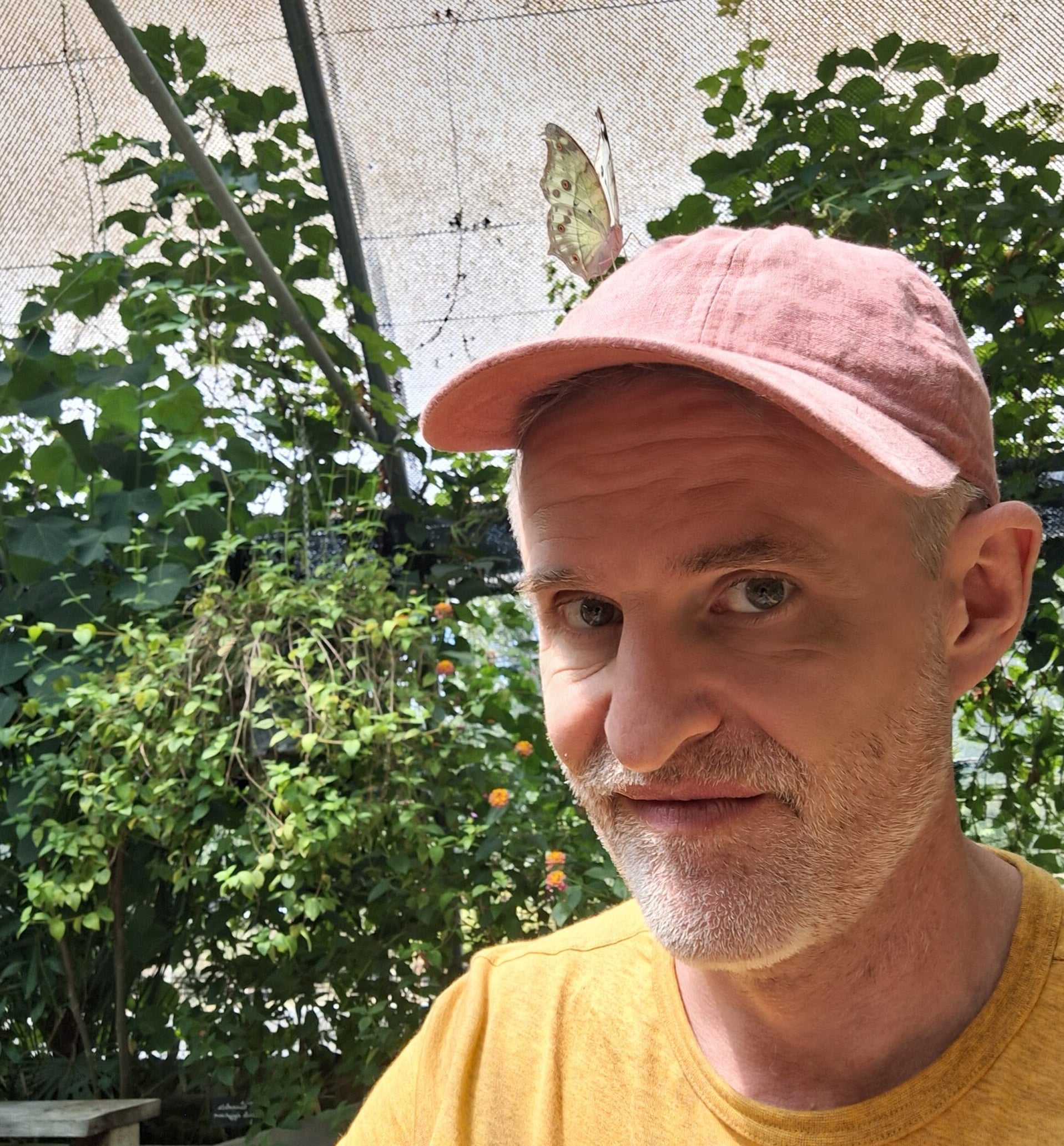
Benjamin Watkins, PhD, MSc
Benjamin Watkins is an economist specializing in public economics, public health, and disaster risk management. He serves as an Adjunct Professor at Tulane University’s School of Public Health and Tropical Medicine and is a Postgraduate Researcher at the Open University. Watkins’ research focuses on the intersection of economic policy and public health, particularly in the context of disaster preparedness and response. His work aims to inform policy decisions that enhance community resilience and improve health outcomes during crises. With over 589 citations, his contributions have significantly impacted both academic and policy-making communities. In addition to his academic roles, Watkins has been involved in various projects that assess the economic implications of health interventions and disaster management strategies. His expertise is frequently sought in discussions on optimizing resource allocation to bolster public health infrastructure and disaster readiness. Through his teaching and research, Benjamin Watkins continues to influence the fields of public economics and health policy, advocating for evidence-based approaches to complex societal challenges.
Peter Horjus
Peter Horjus serves as the Project Director for the Implementer-Led Evaluation and Learning (IMPEL) Associate Award at Tulane University’s School of Public Health and Tropical Medicine. In this capacity, he collaborates with Principal Investigator Dr. Nancy Mock and a dedicated team to assess and enhance food security and resilience initiatives in Haiti. Since 2019, the team has been evaluating these programs, adapting their methodologies to address challenges such as safety concerns and logistical constraints. Notably, they implemented a hybrid remote approach, utilizing satellite internet to train local enumerators and facilitate real-time data sharing. Their recent baseline quantitative survey highlighted the severe levels of food insecurity in Haiti, underscoring the need for sustained, multi-sectoral community engagement to build resilience. IMPEL, funded by USAID’s Bureau for Humanitarian Assistance, aims to gather information and knowledge to measure the performance of resilience and food security activities, strengthen accountability, and improve guidance and policy. The consortium, which includes Tulane University, conducts studies in Haiti and ten African countries.

Sarah Harelson Truxillo
Sarah Harelson Truxillo serves as a Program Manager II in the Department of International Health and Sustainable Development at Tulane University’s School of Public Health and Tropical Medicine. In this capacity, she oversees various administrative and programmatic functions, contributing to the department’s mission of promoting global health and sustainable development. Sarah operates remotely, facilitating coordination and support for faculty, staff, and students, with multi faceted grants and contacts.
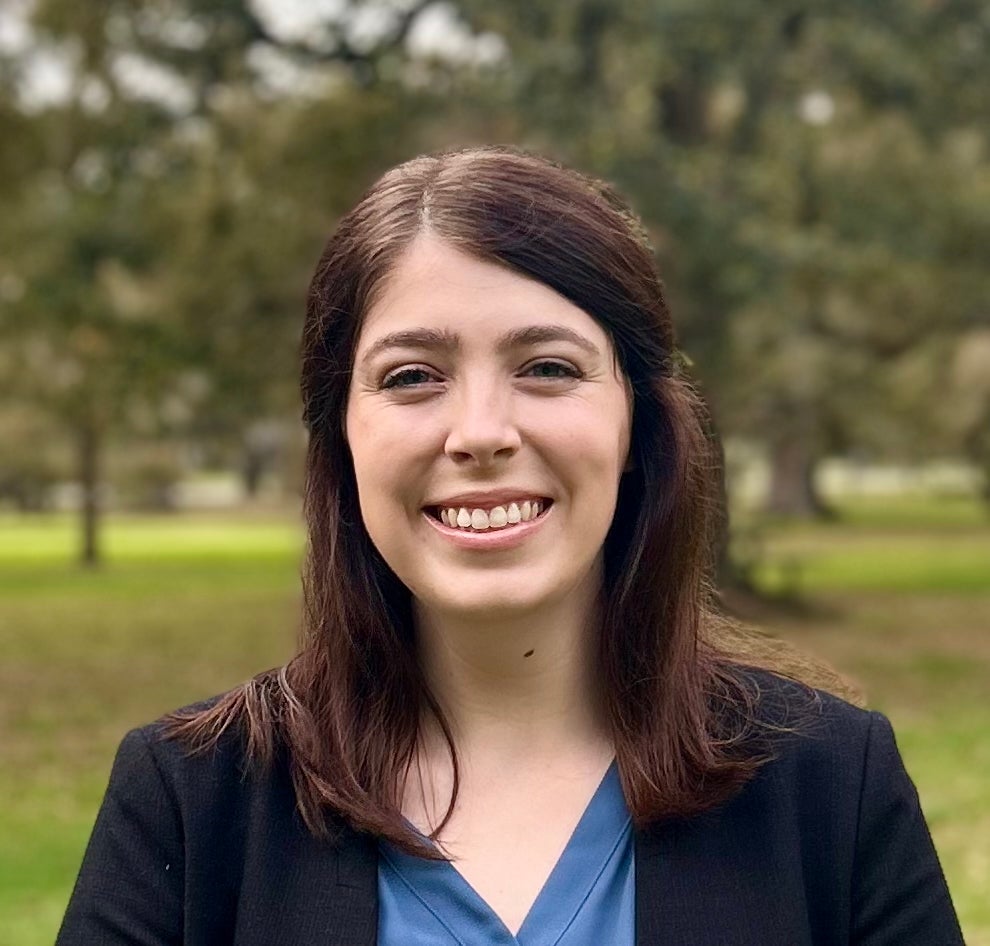
Erin Franklin
Erin Franklin is an Program Manaager and Evaluation Coordinator at Tulane University, collaborating on significant research projects within the School of Public Health and Tropical Medicine. Notably, she was part of the evaluation team for the Bureau for Humanitarian Assistance’s (BHA) COVID-19 Response, a project aimed at assessing and documenting the performance of BHA’s COVID-19 Supplemental response portfolio. This multi-country evaluation enhanced understanding and improved future humanitarian responses to pandemics.